In a crowded digital marketplace, customers have more choices than ever before. Businesses are constantly competing for attention through websites, social media, advertising, email, and other digital channels. While products and services remain important, customers also want to understand the people, purpose, and values behind the brands they choose. This is where Brand Storytelling can make a difference.
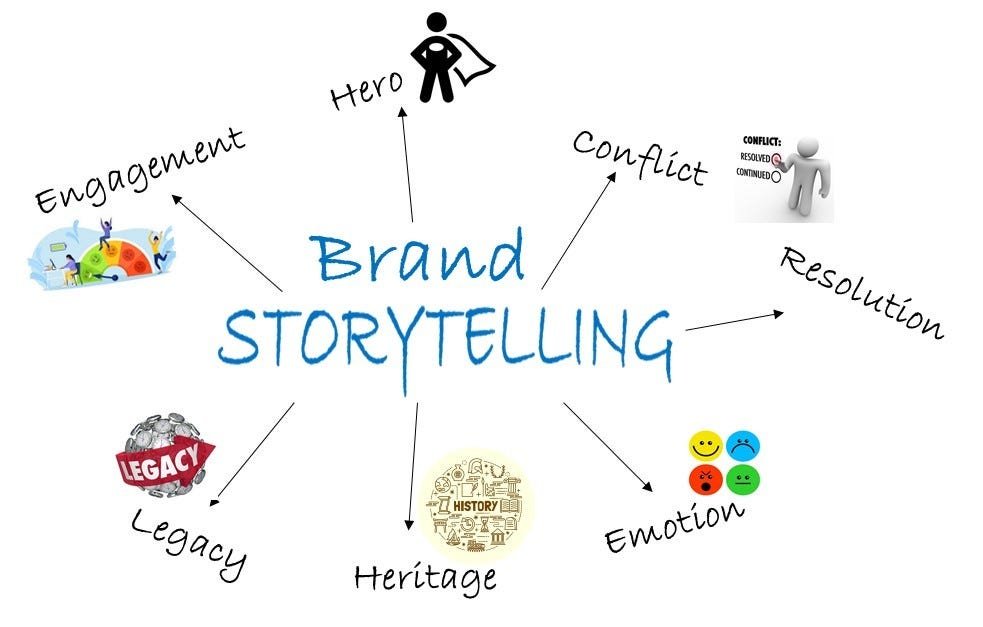
Brand storytelling is the process of using stories to communicate a company’s identity, values, experiences, and purpose. Instead of focusing only on what a business sells, storytelling helps explain why the business exists and how it aims to help its customers.
A well-developed brand story can make a business more recognizable, relatable, and memorable while supporting its broader marketing strategy.
What Is Brand Storytelling?
Brand storytelling is a marketing approach that uses narratives to communicate the identity and purpose of a business.
A brand story can include elements such as:
- How the company was founded
- The problem the business wanted to solve
- The company’s mission and values
- Challenges the business has overcome
- Customer experiences
- The people behind the company
- The impact the business wants to create
The goal is not simply to tell a fictional story. Effective brand storytelling connects real aspects of a business with the needs and interests of its audience.
Why Is Brand Storytelling Important?
Customers interact with thousands of marketing messages every day. A straightforward promotional message may communicate what a company sells, but a meaningful story can provide additional context.
Brand storytelling can help businesses:
- Build brand awareness
- Communicate their values
- Make their brand more memorable
- Create stronger customer connections
- Differentiate themselves from competitors
- Humanize the business
- Support customer trust
- Create consistent marketing messages
Storytelling can also help businesses communicate complex ideas in a way that is easier for audiences to understand.
1. Brand Storytelling Makes Businesses More Human
People often want to know who is behind a business.
A company can use storytelling to introduce its founders, employees, customers, and everyday operations. Behind-the-scenes stories, employee interviews, and founder stories can show the human side of an organization.
For example, a company could explain why its founder started the business and what problem they wanted to solve.
This gives customers more context than a simple product description.
2. Stories Help Customers Understand a Brand’s Purpose
A company’s purpose can be difficult to communicate through a short slogan alone.
Brand storytelling provides an opportunity to explain:
- Why the business was created
- What problem it aims to solve
- Who it serves
- What principles guide its work
- What the company wants to achieve
When customers understand a company’s purpose, they have more information with which to evaluate whether the brand aligns with their needs and expectations.
3. Storytelling Can Make a Brand More Memorable
People encounter a large amount of information online. Businesses therefore need ways to make their messages easier to remember.
A clear story can provide context and structure around a brand’s message.
Instead of simply saying that a company provides a particular service, a business can explain the challenge that led to the creation of that service and how it helps customers address the problem.
This can make the message more meaningful and easier to recall.
4. Brand Storytelling Helps Businesses Stand Out
Many businesses offer similar products or services.
For example, several companies may provide digital marketing, software, consulting, or professional services. When products and services appear similar, a company’s story can become another way to communicate what makes its business distinct.
A business can highlight its:
- Experience
- Mission
- Approach
- Company culture
- Expertise
- Customer experiences
- Unique perspective
This does not replace product quality or service performance, but it can provide additional context for customers evaluating different businesses.
5. Stories Can Support Customer Trust
Trust is an important part of the relationship between businesses and customers.
Brand storytelling can support transparency by showing how a company operates and introducing the people responsible for delivering its products or services.
Businesses can share stories about:
- Their processes
- Team members
- Product development
- Customer experiences
- Company milestones
- Lessons learned
Authentic storytelling should be based on real information and should avoid making claims that cannot be supported.
6. Customer Stories Provide Social Proof
Customers can become an important part of a brand’s story.
Businesses can share customer testimonials, case studies, reviews, and success stories to demonstrate how their products or services have been used.
For example, a case study can explain:
- The customer’s challenge
- The solution provided
- How the solution was implemented
- The outcome or experience
Customer stories can help potential customers understand how a product or service may apply to situations similar to their own.
7. Brand Storytelling Works Across Different Marketing Channels
A strong brand story does not need to exist in only one place.
Businesses can adapt their story for different channels, including:
- Websites
- Social media
- Blogs
- Email marketing
- Video marketing
- Digital advertising
- Presentations
- Landing pages
For example, a company’s full origin story could appear on its website, while shorter elements of that story could be adapted into social media posts or videos.
This creates opportunities for consistent messaging across the customer journey.
8. Storytelling Can Strengthen Social Media Content
Social media provides businesses with many opportunities to tell stories.
Instead of posting only promotional content, businesses can share:
- Founder stories
- Employee introductions
- Customer experiences
- Behind-the-scenes content
- Company milestones
- Product development stories
- Educational stories
- Community involvement
This variety can help businesses create a more balanced social media presence.
9. Video Can Make Brand Stories More Engaging
Video is another powerful format for storytelling.
Businesses can use video to combine visuals, music, narration, interviews, demonstrations, and real-world footage.
Examples include:
- Company introduction videos
- Founder interviews
- Customer testimonials
- Behind-the-scenes videos
- Product stories
- Brand documentaries
- Short social media videos
The format should match the story and the audience rather than relying on video simply because it is popular.
10. Consistency Is Important
A brand story should be consistent across different marketing channels.
Customers may encounter a company through a Google search, social media post, advertisement, website, or email. Each interaction contributes to their understanding of the brand.
Businesses should maintain consistency in:
- Brand voice
- Visual identity
- Core messages
- Values
- Company information
- Customer promises
Consistency can make a brand easier to recognize and understand.
How to Create an Effective Brand Story
Creating a brand story does not have to be complicated. Businesses can start with a few fundamental questions.
1. Why Was the Business Created?
Explain the reason the company was founded and the problem it wanted to address.
2. Who Does the Business Help?
Clearly identify the people, businesses, or communities the company serves.
3. What Problem Does the Business Solve?
Explain the challenge customers face and how the business addresses it.
4. What Makes the Business Different?
Identify the experience, approach, values, expertise, or other characteristics that distinguish the business.
5. What Does the Business Stand For?
Communicate the principles and values that guide the company.
6. What Customer Experiences Can You Share?
Real customer experiences, testimonials, and case studies can add credibility and context to a brand story.
Common Brand Storytelling Mistakes
Making the Story Only About the Company
A brand story should not focus exclusively on the business. Customers should be able to understand how the story relates to their own needs.
Being Too Promotional
Storytelling should provide context and value rather than turning every story into a sales pitch.
Creating a Story That Is Not Authentic
A brand story should be based on genuine experiences, values, and information. Overly exaggerated claims can undermine trust.
Inconsistent Messaging
If a company’s story changes significantly from one platform to another, customers may become confused about what the brand represents.
Forgetting the Audience
The story should be relevant to the people the business wants to reach. Understanding the audience is essential when deciding what details to emphasize.

How Cre8trends Can Help With Brand Storytelling
Developing a recognizable brand requires more than a logo or visual identity. Businesses also need clear messaging that communicates who they are and what they offer.
Cre8trends helps businesses develop digital marketing and branding strategies designed to connect brands with their audiences.
Through content marketing, social media, digital marketing, and brand-focused strategies, businesses can communicate their story across multiple digital channels.
A consistent storytelling approach can help businesses create a clearer identity and provide customers with more meaningful information about the brand.
Frequently Asked Questions
What is Brand Storytelling?
Brand storytelling is the use of narratives to communicate a company’s identity, purpose, values, experiences, and relationship with its customers.
Why is Brand Storytelling important for businesses?
Brand storytelling can help businesses communicate their identity, explain their purpose, create memorable messages, and differentiate themselves from competitors.
Can small businesses use Brand Storytelling?
Yes. Small businesses can use founder stories, customer experiences, behind-the-scenes content, company milestones, and community stories to communicate their identity.
Can Brand Storytelling improve social media marketing?
Storytelling can provide social media teams with a wider range of content ideas, including customer stories, company updates, educational content, and behind-the-scenes posts.
Should Brand Storytelling be used in advertising?
Brand storytelling can be incorporated into advertising when the story is relevant to the campaign objective and target audience. Short-form stories can be particularly useful for communicating a brand message quickly.
Final Thoughts
Brand Storytelling gives businesses a way to communicate more than just their products and services. It allows companies to explain their purpose, introduce the people behind the business, share customer experiences, and communicate the values that shape their work.
An effective brand story should be authentic, relevant, consistent, and connected to the audience. When incorporated into websites, social media, content marketing, video, and other digital channels, storytelling can become an important part of a broader brand strategy.
For businesses looking to develop a stronger digital identity, Cre8trends can help create strategic marketing and branding approaches that communicate a clear and consistent story across digital channels.