In a crowded digital marketplace, getting customers to notice a brand is only the first step. Businesses also need to create experiences that people remember, talk about, and associate with the brand. This is where experiential marketing campaigns can make a powerful difference.
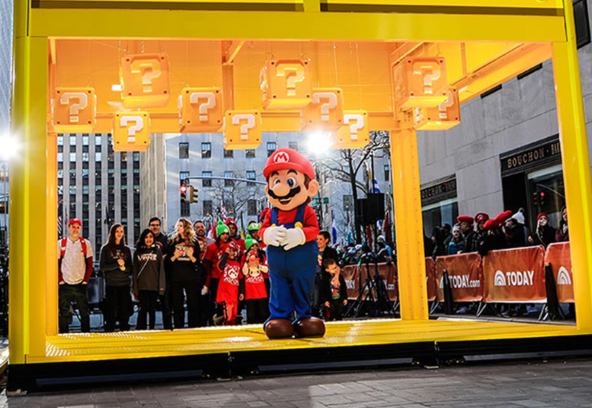
Unlike traditional advertising, experiential marketing focuses on creating meaningful experiences that allow customers to interact directly with a brand. From live events and product demonstrations to interactive installations and immersive digital experiences, these campaigns can turn ordinary brand interactions into memorable moments.
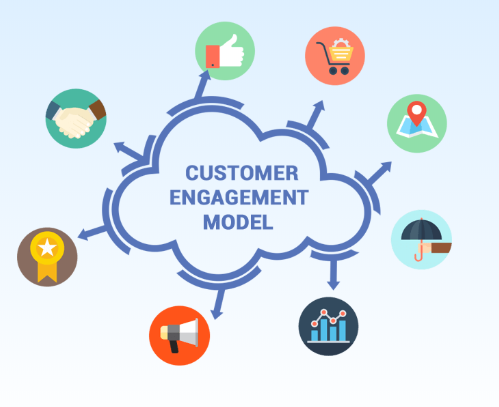
For businesses looking to strengthen brand awareness, customer engagement, and loyalty, experiential marketing offers an opportunity to connect with audiences on a deeper level.
What Are Experiential Marketing Campaigns?
Experiential marketing campaigns are marketing initiatives designed to involve customers in a direct and interactive brand experience. Instead of simply showing consumers an advertisement, experiential marketing encourages them to participate, explore, interact, or experience something connected to the brand.
These campaigns can take many forms, including:
- Live events and brand activations
- Product demonstrations
- Pop-up shops
- Interactive displays
- Experiential retail experiences
- Immersive installations
- Sampling campaigns
- Workshops and demonstrations
- Social media experiences
- Virtual and augmented reality experiences
The goal is to create an experience that makes the brand more tangible and memorable.
Why Experiential Marketing Creates Memorable Brands
People often remember experiences more strongly than traditional advertisements. When customers actively participate in a brand experience, they have an opportunity to create a personal connection with the business.
Here are several ways experiential marketing can help brands become more memorable.
1. It Creates Emotional Connections
Emotions can strongly influence how people remember brands. A well-designed campaign can make customers feel excited, surprised, inspired, entertained, or connected.
For example, a brand could organize an interactive event where customers can test products, participate in activities, and share their experiences. The emotional response created during the event can become associated with the brand.
This helps move the brand beyond simply being a name or logo.
2. It Encourages Direct Customer Interaction
Traditional advertising is often one-way communication. A business delivers a message, while the audience receives it.
Experiential marketing changes this dynamic.
Customers can interact with products, employees, displays, and other participants. This two-way interaction creates a more engaging experience and gives customers a chance to understand what a brand represents.
3. It Makes Products More Tangible
Some products and services can be difficult to communicate through advertisements alone.
Experiential marketing allows businesses to demonstrate how their products work in real-world situations.
For example, a technology company could create an interactive demonstration where visitors can test a new product. A food brand could provide samples and cooking demonstrations. A fitness company could organize an interactive training experience.
These experiences help customers understand the product while creating an opportunity for engagement.
4. It Generates Shareable Content
A memorable brand experience can extend beyond the physical event.
Customers may take photos, record videos, post stories, or share their experiences with friends and followers. This can give a campaign additional exposure through social media.
When an experiential campaign includes visually interesting or interactive elements, it can naturally encourage user-generated content.
Businesses can also create campaign-specific hashtags and social media activities to encourage online participation.

Types of Experiential Marketing Campaigns
Experiential marketing is flexible and can be adapted to different industries, audiences, and marketing objectives.
Live Brand Events
Live events give businesses an opportunity to meet customers face-to-face. These can include launches, exhibitions, conferences, community events, and promotional activities.
A successful event should provide visitors with a reason to participate rather than simply presenting promotional material.
Pop-Up Experiences
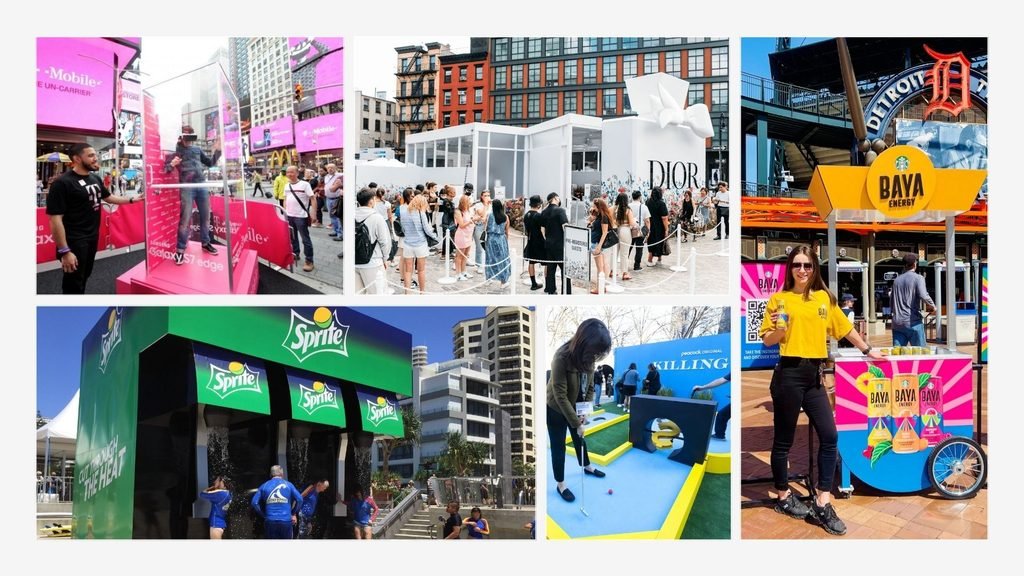
Pop-up experiences can create temporary brand environments in locations where target customers already spend time.
A business might create a temporary store, product experience, themed installation, or interactive space.
The temporary nature of these experiences can create curiosity and encourage people to visit.
Product Demonstrations
Product demonstrations allow customers to see how a product works before making a purchase decision.
Demonstrations are particularly useful for products where functionality, quality, or ease of use is important.
Interactive Installations
Interactive installations use technology, design, or physical elements to encourage participation.
Touchscreens, interactive displays, photo opportunities, games, and digital experiences can make a campaign more engaging.
Virtual Experiential Marketing
Experiential marketing does not always have to happen in a physical location.
Virtual events, interactive websites, augmented reality experiences, and online brand activities can allow businesses to create engaging experiences for digital audiences.
How to Build an Effective Experiential Marketing Campaign
Creating an experience simply for the sake of being different is not enough. A successful campaign should support a clear marketing objective.
Define Your Campaign Goal
Start by determining what the campaign should achieve.
Possible goals include:
- Increasing brand awareness
- Launching a new product
- Generating leads
- Increasing customer engagement
- Encouraging product trials
- Building customer relationships
- Generating social media content
- Supporting sales
A clear goal helps guide the creative and strategic decisions throughout the campaign.
Understand Your Target Audience
An experience should be designed around the people you want to reach.
Consider their interests, behaviors, expectations, and preferred communication channels. Understanding your audience makes it easier to create an experience that feels relevant rather than forced.
Create a Strong Brand Connection
Every element of the experience should connect back to the brand.
The design, messaging, activities, staff interactions, and content should communicate the brand’s identity consistently.
The goal is not simply to create an entertaining event. The experience should help people understand and remember the brand.
Make Participation Easy
Customers should quickly understand how they can participate.
Complicated instructions or long waiting times can reduce engagement. Clear communication, simple activities, and accessible experiences can help more people participate.
Encourage Social Sharing
Design elements that are visually appealing or interactive can encourage visitors to share their experiences online.
Businesses can support this by creating:
- Branded photo opportunities
- Interactive content
- Campaign hashtags
- Social media challenges
- Shareable videos
- User-generated content opportunities
This can help extend the campaign beyond the physical experience.
Measuring the Success of Experiential Marketing Campaigns
Like any marketing activity, experiential campaigns should be measured against defined objectives.
Businesses can track several performance indicators, including:
- Number of attendees
- Product interactions
- Leads generated
- Product samples distributed
- Social media mentions
- User-generated content
- Website traffic
- Engagement levels
- Customer feedback
- Conversions and sales
The right metrics depend on the campaign’s original objectives.
For example, an awareness campaign may focus on reach and social engagement, while a product launch may focus more heavily on product trials, leads, and conversions.
Common Experiential Marketing Mistakes
Even creative campaigns can struggle if they are not strategically planned.
Focusing Only on Creativity
An unusual experience may attract attention, but creativity alone does not guarantee marketing success.
The campaign should have a clear connection to the brand and a specific business objective.
Ignoring the Customer Experience
Small details can have a major impact on how customers perceive an event.
Poor organization, unclear instructions, long queues, or unhelpful staff can negatively affect the overall experience.
Forgetting the Digital Audience
An experiential campaign can reach people beyond those physically attending it.
Businesses should consider how the experience can be documented, shared, and extended through digital channels.
Failing to Measure Results
Without performance tracking, it can be difficult to understand whether the campaign achieved its objectives.
Establish measurable goals before launching the campaign and track relevant results throughout the process.
How Experiential Marketing Supports Long-Term Brand Building
A successful experiential campaign should not exist as an isolated marketing activity.
The experience can become part of a broader brand strategy involving social media, content marketing, advertising, public relations, email marketing, and other digital channels.
For example, a business could promote an upcoming experience through social media, capture content during the event, encourage customers to share their experiences, and then use the resulting content in future marketing campaigns.
This creates multiple opportunities to reinforce the same brand message.
How Cre8trends Can Help With Experiential Marketing
Creating a memorable brand experience requires both creativity and strategic marketing.
Cre8trends helps businesses develop marketing strategies designed to connect brands with their target audiences. From digital marketing and content strategies to social media and brand-focused campaigns, a coordinated approach can help businesses turn customer interactions into stronger brand relationships.
By combining creative ideas with audience insights and digital marketing channels, businesses can create experiences that do more than attract attention—they can help build lasting brand recognition and engagement.
Frequently Asked Questions
What are experiential marketing campaigns?
Experiential marketing campaigns are marketing initiatives that allow customers to interact directly with a brand through experiences such as events, product demonstrations, pop-ups, interactive installations, and digital activities.
Why is experiential marketing effective?
Experiential marketing can be effective because it encourages direct participation and creates opportunities for customers to develop emotional and memorable connections with a brand.
Are experiential marketing campaigns only for large companies?
No. Businesses of different sizes can use experiential marketing. The scale of the campaign can be adapted according to the company’s budget, audience, objectives, and resources.
How can businesses measure experiential marketing?
Businesses can measure experiential marketing using metrics such as attendance, engagement, leads, social media activity, user-generated content, website traffic, customer feedback, and conversions.
Can experiential marketing work with digital marketing?
Yes. Experiential marketing can be combined with social media, content marketing, online advertising, email marketing, and other digital channels to extend the reach of a campaign.
Final Thoughts
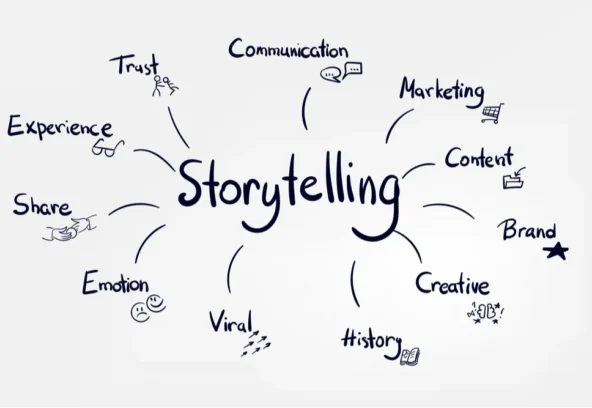
Experiential marketing campaigns give businesses an opportunity to move beyond traditional advertising and create meaningful interactions with their audiences. By combining creativity, participation, storytelling, and strong brand messaging, businesses can create experiences that customers remember.
The most effective campaigns are not simply designed to attract attention. They are built around clear objectives, audience needs, and a consistent brand experience. When supported by the right digital marketing strategy, experiential marketing can become a valuable part of long-term brand building.
For businesses looking to create stronger connections with their audiences, experiential marketing can provide a creative way to turn everyday marketing into memorable brand experiences.