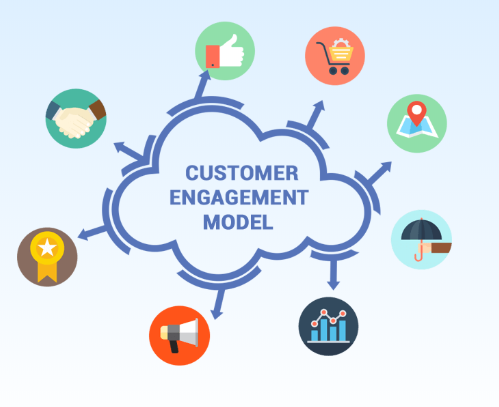
Building strong relationships with customers is an important part of long-term business growth. In today’s digital environment, customers interact with brands across websites, social media, email, search engines, messaging platforms, and other channels. Businesses that understand these interactions can create more meaningful experiences and maintain stronger relationships with their audiences. This is where Customer Engagement Strategies become important.
Customer engagement refers to the ways a business communicates and interacts with its customers before, during, and after a purchase. Effective engagement goes beyond simply promoting products or services. It involves providing useful information, responding to customer needs, encouraging conversations, and creating experiences that keep customers connected with a brand.
A well-planned customer engagement strategy can support brand awareness, customer satisfaction, retention, and broader business objectives.
What Are Customer Engagement Strategies?
Customer Engagement Strategies are planned approaches businesses use to interact with customers and build ongoing relationships.
These strategies can include:
- Social media engagement
- Personalized communication
- Email marketing
- Customer feedback
- Educational content
- Loyalty programs
- Customer support
- Interactive content
- Community building
- Personalized offers
The right combination depends on the business, its customers, industry, and marketing goals.
Why Is Customer Engagement Important for Business Growth?
Customers have many choices when deciding where to spend their money. A strong product or service is important, but the overall customer experience can also influence how people view a brand.
Effective engagement can help businesses:
- Build stronger customer relationships
- Increase brand awareness
- Encourage repeat interactions
- Improve customer satisfaction
- Gather valuable customer feedback
- Strengthen brand loyalty
- Support customer retention
- Generate referrals and recommendations
Customer engagement should therefore be viewed as an ongoing process rather than a single marketing campaign.
1. Understand Your Target Audience
One of the foundations of effective customer engagement is understanding your audience.
Businesses should learn about their customers’:
- Needs
- Interests
- Challenges
- Preferences
- Buying behavior
- Communication preferences
- Frequently asked questions
Customer research can help businesses create more relevant messages and experiences.
For example, a software company may discover that potential customers need educational resources before making a purchase. The company can then create tutorials, guides, demonstrations, and FAQs to address those needs.
2. Create Valuable Content
Content can provide businesses with a consistent way to communicate with customers.
Instead of focusing exclusively on promotional content, businesses can create material that helps their audience solve problems or learn something useful.
Examples include:
- Blog posts
- How-to guides
- Videos
- Infographics
- Tutorials
- Case studies
- Industry insights
- FAQs
- Social media posts
Useful content can give customers a reason to return to a brand’s website or social media channels.
3. Use Social Media to Start Conversations
Social media is more than a platform for publishing advertisements. It can also provide an opportunity for businesses to communicate directly with their audiences.
Businesses can encourage engagement through:
- Questions
- Polls
- Comments
- Short videos
- Stories
- User-generated content
- Live sessions
- Educational posts
Responding to comments and messages can also demonstrate that a business is paying attention to its audience.
4. Personalize Customer Communication
Customers may respond differently to generic messages and communication that is relevant to their interests.
Businesses can use customer information and behavior to create more relevant communication where appropriate.
Examples include:
- Personalized email recommendations
- Product suggestions
- Relevant content
- Follow-up messages
- Birthday or anniversary offers
- Personalized onboarding communication
Personalization should be useful and respectful of customer privacy. Businesses should avoid excessive or intrusive communication.
5. Use Email Marketing to Maintain Relationships
Email marketing remains a useful channel for maintaining communication with existing and potential customers.
Businesses can use email to share:
- Educational content
- Product updates
- Company news
- Special offers
- Helpful resources
- Event invitations
- Customer stories
A consistent email strategy can keep customers informed without requiring them to actively visit a website or social media page.
6. Encourage and Respond to Customer Feedback
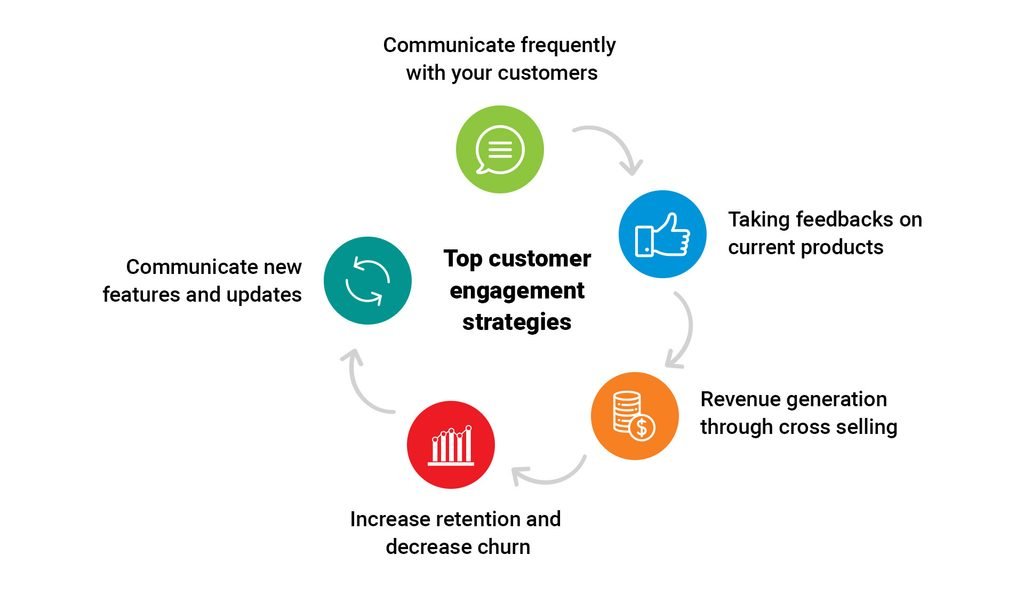
Customer feedback can provide valuable information about what a business is doing well and where improvements may be needed.
Businesses can collect feedback through:
- Surveys
- Reviews
- Website forms
- Social media
- Customer support conversations
- Post-purchase messages
However, collecting feedback is only part of the process. Businesses should also review the feedback and use relevant insights to improve their products, services, or customer experience.
7. Provide Helpful Customer Support
Customer support is an important part of customer engagement.
When customers have questions or encounter problems, they want clear and timely assistance.
Businesses can improve support by providing:
- Frequently asked questions
- Knowledge bases
- Live chat
- Email support
- Social media support
- Clear contact information
A helpful support experience can strengthen the customer’s overall relationship with the brand.
8. Build a Community Around Your Brand
Community building can help businesses create stronger relationships among customers and the brand.
Depending on the business, communities can be created through:
- Social media groups
- Online forums
- Events
- Webinars
- Customer communities
- Industry discussions
A community gives customers an opportunity to interact with the business and, in some cases, with other customers who share similar interests.
9. Use Video to Increase Engagement
Video provides businesses with another way to communicate information and tell stories.
Businesses can create:
- Product demonstrations
- Educational videos
- Customer testimonials
- Behind-the-scenes content
- Company introductions
- Short social media videos
- Expert interviews
Video can make complex information easier to understand and provide a more visual experience for customers.
10. Create Interactive Experiences
Interactive content can encourage customers to actively participate rather than simply consume information.
Examples include:
- Quizzes
- Polls
- Surveys
- Calculators
- Assessments
- Interactive product demonstrations
For example, a financial services company could create an online calculator that helps visitors estimate potential costs. A skincare business could create a simple product recommendation quiz based on customer preferences.
The interactive experience should provide genuine value rather than exist only to collect information.
11. Reward Loyal Customers
Businesses can use loyalty initiatives to recognize customers who repeatedly engage with their brand.
Depending on the business model, rewards could include:
- Discounts
- Exclusive offers
- Early access
- Loyalty points
- Special content
- Member-only events
Loyalty programs should be easy to understand and provide clear value to customers.
12. Create a Consistent Brand Experience
Customers may encounter a business across multiple touchpoints.
They might first discover a company through search engines, then visit its website, follow it on social media, receive an email, and eventually contact customer support.
A consistent experience across these channels can make the brand easier to recognize and understand.
Businesses should aim for consistency in:
- Visual identity
- Brand voice
- Messaging
- Customer service
- Product information
- Communication standards
13. Use Data to Improve Engagement
Customer engagement strategies should be measured using relevant performance data.
Businesses can monitor metrics such as:
- Website engagement
- Email open rates
- Email click-through rates
- Social media engagement
- Customer retention
- Repeat purchases
- Customer feedback
- Conversion rates
The right metrics depend on the business’s objectives.
For example, a social media campaign may focus on engagement and reach, while a retention initiative may focus on repeat purchases and customer retention.
Common Customer Engagement Mistakes
Focusing Only on Sales
If every interaction asks customers to purchase something, the relationship can feel overly promotional. Businesses should balance sales content with useful and informative communication.
Ignoring Customer Feedback
Customers provide valuable insights through reviews, comments, surveys, and support conversations. Ignoring these insights can result in missed opportunities for improvement.
Communicating Too Frequently
More communication does not always mean better engagement. Businesses should consider the frequency and relevance of their messages.
Using the Same Message for Everyone
Different customers may have different needs and interests. Where appropriate, businesses should tailor communication to relevant customer segments.
Not Measuring Results
Without performance measurement, it can be difficult to determine which engagement activities are producing useful results.
How to Build a Customer Engagement Strategy
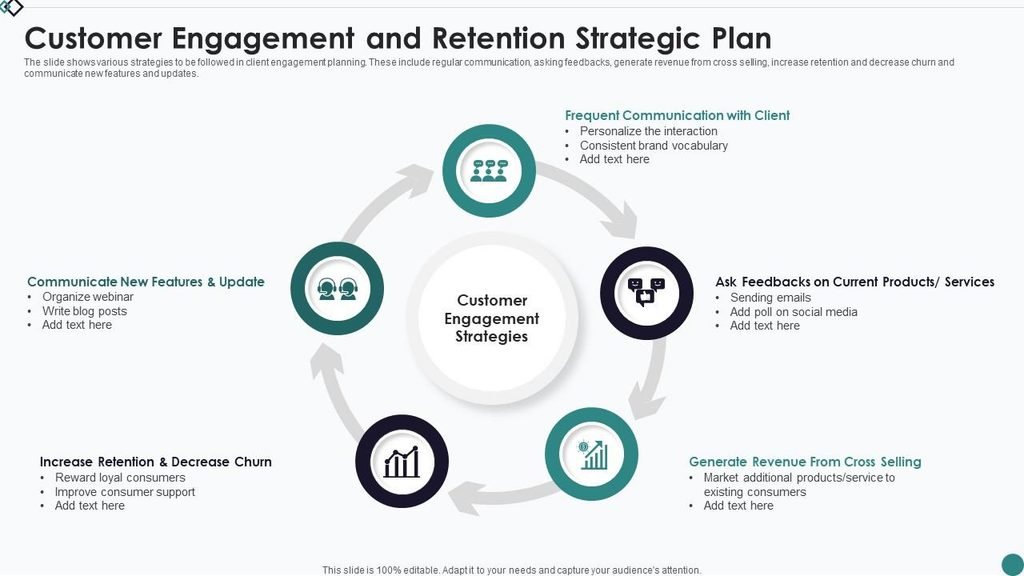
Businesses can follow a simple process to develop their approach:
Step 1: Define Your Objectives
Determine what you want customer engagement to achieve, such as increased retention, stronger awareness, better customer satisfaction, or more repeat purchases.
Step 2: Research Your Customers
Understand who your customers are, what they need, and how they prefer to communicate.
Step 3: Choose the Right Channels
Focus on the platforms and communication channels your audience actually uses.
Step 4: Create Valuable Experiences
Develop content, communication, and services that provide genuine value.
Step 5: Encourage Interaction
Ask questions, collect feedback, respond to customers, and create opportunities for conversations.
Step 6: Measure Performance
Track relevant metrics and identify which activities are producing the desired results.
Step 7: Improve Continuously
Use customer feedback and performance data to refine your strategy over time.
How Cre8trends Can Help With Customer Engagement
Building meaningful customer relationships requires a coordinated digital marketing approach.
Cre8trends helps businesses strengthen their digital presence through services and strategies designed to connect brands with their target audiences. From content marketing and social media to digital marketing and brand communication, a structured approach can help businesses create more consistent customer interactions.
By combining useful content, strategic communication, audience research, and performance analysis, businesses can develop customer engagement strategies that support their broader marketing and business goals.
Frequently Asked Questions
What are Customer Engagement Strategies?
Customer Engagement Strategies are planned methods businesses use to interact with customers, provide value, encourage communication, and build ongoing relationships.
Why is customer engagement important?
Customer engagement can help businesses build relationships, understand customer needs, improve experiences, encourage repeat interactions, and support long-term business objectives.
How can social media improve customer engagement?
Businesses can use social media to share useful content, answer questions, respond to comments, run interactive campaigns, and communicate directly with their audiences.
How can businesses measure customer engagement?
Businesses can track metrics such as social media engagement, website interactions, email performance, customer feedback, retention, repeat purchases, and conversions.
Can small businesses use customer engagement strategies?
Yes. Small businesses can use relatively simple approaches such as responding to customers on social media, sending helpful emails, collecting feedback, publishing educational content, and providing responsive customer support.
Final Thoughts
Effective Customer Engagement Strategies help businesses move beyond one-time transactions and focus on building ongoing relationships with their audiences. By understanding customers, creating useful content, encouraging conversations, providing responsive support, and measuring performance, businesses can create more meaningful experiences.
There is no single engagement strategy that works for every business. The most suitable approach depends on the audience, industry, business objectives, and available resources.
For businesses looking to strengthen their digital presence and connect more effectively with customers, Cre8trends can help develop strategic digital marketing and content solutions designed around their specific goals.