Building a successful business takes more than offering a good product or service. In a competitive market, customers also need a reason to recognize, trust, and choose your brand. This is where a strong Brand Strategy for Businesses becomes important.
A brand strategy gives your business a clear direction. It helps define who you are, who you want to reach, what makes you different, and how you communicate with your audience. It also helps keep your website, social media, advertising, content, and customer experience consistent.
A strong strategy does not mean using the same message everywhere. Instead, it creates a clear foundation that helps every part of your marketing work toward the same business goals.
What Is a Brand Strategy?
A brand strategy is a long-term plan that defines how a business presents itself and builds relationships with its target audience. It covers important areas such as brand purpose, positioning, values, voice, visual identity, and messaging.
Your logo and colors are part of your brand identity, but they are not your complete brand strategy. A strategy explains the thinking behind those elements and how they should support the overall business direction.
For example, a company may want to be known as innovative, reliable, affordable, premium, or customer-focused. Its messaging, design, content, and customer experience should then support that desired position.
Why Is Brand Strategy Important for Business Growth?
A business can run marketing campaigns without a clear brand strategy. However, disconnected campaigns can make it difficult for customers to understand what the company represents.
A well-planned strategy can help businesses:
- Create stronger brand recognition
- Communicate more clearly with customers
- Differentiate themselves from competitors
- Build consistency across marketing channels
- Attract a more relevant target audience
- Strengthen customer relationships
- Support long-term marketing goals
Brand strategy can also keep internal teams aligned. When everyone understands the company’s purpose, audience, tone, and positioning, it becomes easier to create consistent marketing materials.
1. Define Your Brand Purpose
The first step is understanding why your business exists beyond simply making sales.
Ask yourself:
- What problem does our business solve?
- Who do we help?
- What value do we provide?
- What do we want customers to remember about us?
- What long-term change do we want to create?
Your purpose should influence important business and marketing decisions. It can also help your audience understand what your company stands for.
A clear purpose creates a foundation for the rest of your brand strategy.
2. Understand Your Target Audience
You cannot build an effective brand strategy without understanding the people you want to reach.
Start by researching your ideal customers. Look at their needs, challenges, interests, buying behavior, and expectations. You can also study customer questions, reviews, competitor audiences, and market trends.
Instead of trying to appeal to everyone, identify the audience that is most relevant to your products or services.
For example, a technology company serving large organizations may use different messaging from a company selling affordable technology products to individual consumers.
Knowing your audience helps you create more relevant messages and experiences.
3. Analyze Your Competitors
Your brand does not operate in isolation. Customers compare businesses before making decisions, so understanding your competitors is an important part of brand planning.
Review competing brands and look at:
- Their positioning
- Visual identity
- Website messaging
- Content strategy
- Social media presence
- Product or service presentation
- Customer experience
- Unique selling points
The goal is not to copy competitors. Instead, identify opportunities to communicate your own value more clearly.
Market research can reveal gaps and help businesses identify areas where they can differentiate themselves.
4. Create a Clear Brand Position
Brand positioning explains where your business stands in the market and why customers should consider you.
A useful positioning statement should communicate:
Who you serve + what you provide + what makes you different + why customers should care.
For example, instead of simply saying, “We provide marketing services,” a business could communicate a more specific value proposition based on its audience, expertise, and approach.
Clear positioning makes your marketing easier because it gives your team a central message to build around.
5. Develop Your Brand Voice
Your brand should sound consistent wherever customers interact with it.
Decide whether your communication should feel:
- Professional
- Friendly
- Confident
- Helpful
- Innovative
- Conversational
- Premium
The right voice depends on your audience and industry.
For example, a financial company may require a more formal communication style, while a lifestyle brand may use a relaxed and conversational voice.
Once your voice is defined, use it consistently across website pages, advertisements, emails, social media, blogs, and other customer communications.
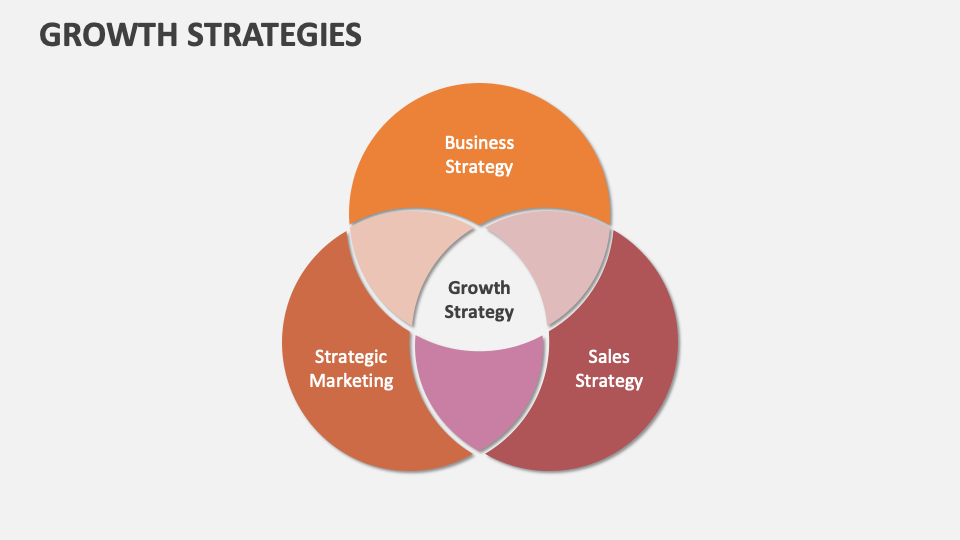
6. Build a Strong Visual Identity
Visual identity is another important part of Brand Strategy for Businesses. It includes the visual elements customers associate with your company.
These may include:
- Logo
- Brand colors
- Typography
- Photography style
- Graphics
- Icons
- Layouts
- Packaging
- Website design
Your visual identity should reflect your positioning and personality. More importantly, it should remain consistent across different platforms.
A customer should be able to recognize your business whether they see your website, social media post, advertisement, or marketing material.
7. Create Consistent Brand Messaging
Consistency is one of the foundations of effective branding.
Your key messages should remain connected across every customer touchpoint. This does not mean every page should contain identical text. Instead, the main ideas, values, positioning, and tone should remain consistent.
Create a simple messaging framework that defines:
- Main brand message
- Value proposition
- Key benefits
- Supporting messages
- Brand promises
- Common customer questions
- Calls to action
This framework can help your marketing team communicate with greater clarity.
8. Connect Branding With Your Marketing Strategy
Your brand strategy should not sit separately from your marketing activities.
Use your brand foundation to guide:
- SEO content
- Social media marketing
- Paid advertising
- Email campaigns
- Website content
- Video marketing
- Public relations
- Sales materials
For example, if your brand wants to be recognized as an expert in a particular industry, your content should consistently demonstrate useful knowledge and address relevant customer problems.
This creates a stronger connection between what your business says and what customers experience.
9. Make the Customer Experience Part of Your Brand
Branding is not limited to advertisements and design. Every customer interaction can influence how people perceive your business.
Think about the complete customer journey:
Discovery → Website Visit → Inquiry → Purchase → Delivery → Support → Repeat Interaction
At each stage, ask whether the experience reflects your brand values.
A company that promises simplicity, for example, should make its website navigation, purchasing process, communication, and customer support easy to understand.
A consistent customer experience can strengthen the connection between your brand promise and the actual experience customers receive.
10. Measure and Improve Your Brand Strategy
A brand strategy should evolve as your business and market change.
Track useful indicators such as:
- Website traffic
- Branded search activity
- Social engagement
- Customer feedback
- Lead quality
- Conversion rates
- Repeat customers
- Content performance
These metrics can help you identify what is working and where adjustments may be needed.
Your strategy should provide direction while still allowing your business to adapt to changing customer expectations, technology, and market conditions.
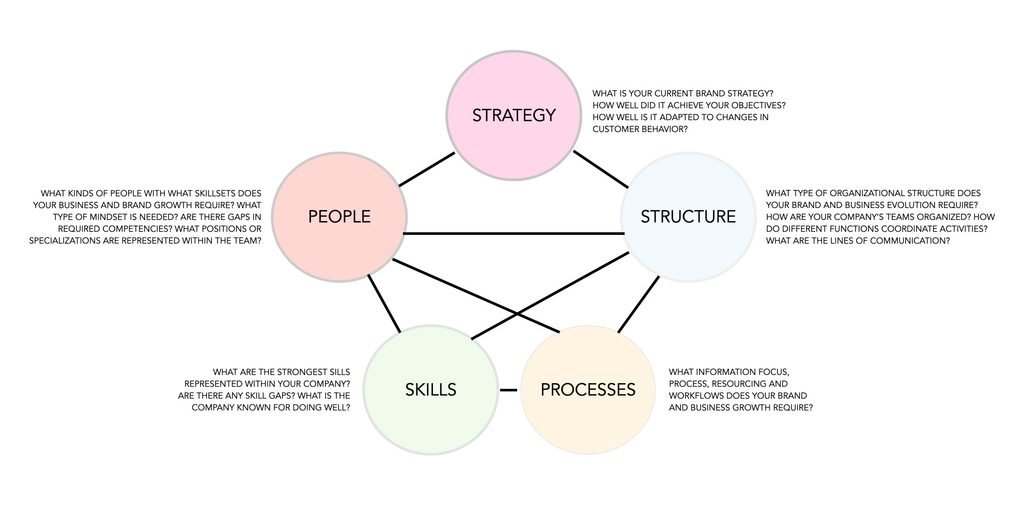
How Cre8trends Can Help Build Your Brand
Creating a strong brand requires more than choosing a logo or writing a slogan. Businesses need a clear strategy that connects their identity, messaging, digital presence, and marketing goals.
Cre8trends helps businesses develop stronger digital and brand experiences through creative and strategic marketing solutions. From branding and digital marketing to creative content and online visibility, a strategic approach can help businesses communicate their value more effectively.
Whether you are launching a new company, refreshing an existing identity, or looking for better alignment between branding and marketing, a structured brand strategy can give your business a stronger foundation for growth.
You can explore the services and solutions offered by Cre8trends to see how strategic branding and digital marketing can support your business goals.
Final Thoughts
A strong brand does not happen by accident. It comes from understanding your audience, defining your purpose, creating clear positioning, developing consistent messaging, and delivering a customer experience that supports your promises.
A well-planned Brand Strategy for Businesses gives every marketing activity a clear direction. It can help your business become more recognizable, communicate with greater clarity, and build stronger relationships with customers over time.
Most importantly, your strategy should grow with your business. Review it regularly, learn from your audience, and make thoughtful improvements as your market changes. With the right foundation, branding can become a valuable part of your long-term business growth strategy.
Frequently Asked Questions
What is a brand strategy for businesses?
A brand strategy is a long-term plan that defines how a business presents itself, communicates with its audience, differentiates itself from competitors, and builds a consistent customer experience.
Why does a business need a brand strategy?
A brand strategy helps create consistency, improve recognition, clarify positioning, and align marketing activities with broader business goals.
What are the main elements of a brand strategy?
Important elements include brand purpose, target audience, market positioning, brand voice, visual identity, messaging, values, and customer experience.
How can branding support business growth?
Strong branding can help a business communicate its value clearly, attract relevant customers, build recognition, and create more consistent experiences across marketing channels.
Can a small business benefit from a brand strategy?
Yes. A clear strategy can help small businesses establish a distinct identity, understand their target audience, and compete more effectively in crowded markets.
How often should a brand strategy be reviewed?
Businesses should review their strategy regularly, especially when entering a new market, launching new services, changing their target audience, or responding to major market changes.