Events have always been a powerful way for businesses to connect with people, showcase their products, and build stronger relationships with their audiences. But in today’s digital-first world, simply organizing an event is no longer enough. Businesses need a strategic approach to attract the right audience, generate excitement, create memorable experiences, and continue the conversation after the event ends.
This is where effective Event Marketing Strategies can make a significant difference.
Whether you are planning a corporate conference, product launch, exhibition, brand activation, networking event, or promotional experience, marketing should be part of the event plan from the beginning. The right strategy can help increase awareness, encourage attendance, strengthen brand recognition, and turn an event into a valuable marketing opportunity.
For businesses looking to combine creativity, digital promotion, event production, and audience engagement, Cre8Trends offers event management and marketing services designed to help brands create meaningful experiences. Its event services cover corporate events, brand activations, exhibitions, event branding, guest management, photography, videography, and event promotion.
What Is Event Marketing?
Event marketing is the process of promoting an event before, during, and after it takes place.
The goal is not simply to get people through the door. Effective event marketing creates awareness before the event, encourages participation during the experience, and keeps the audience engaged afterward.
Depending on the type of event, marketing activities can include:
- Social media campaigns
- Paid advertising
- Email marketing
- Influencer partnerships
- Content creation
- Event announcements
- Promotional videos
- Media coverage
- On-site social media content
- Post-event campaigns
When these activities work together, an event can become more than a one-day experience. It can become part of a larger brand-building campaign.
Why Event Marketing Matters for Modern Businesses
Businesses invest significant time and resources into events. Without effective promotion, even a well-planned event may struggle to attract the intended audience.
A strong marketing strategy can help businesses:
- Increase event awareness
- Attract relevant attendees
- Generate registrations
- Build brand recognition
- Encourage social engagement
- Create customer relationships
- Generate leads
- Promote products or services
- Extend the life of event content
Modern event marketing also gives businesses opportunities to connect physical experiences with digital channels.
For example, a product launch can be promoted through social media before the event, covered through live content during the event, and supported with videos, photographs, and follow-up campaigns afterward.
1. Define Your Event Marketing Goals
Before promoting an event, determine what you want to achieve.
Different events have different objectives. A corporate conference may focus on networking and industry relationships, while a product launch may focus on awareness and customer interest.
Your objectives could include:
- Increasing registrations
- Generating leads
- Launching a product
- Building brand awareness
- Strengthening customer relationships
- Increasing social media engagement
- Attracting potential business partners
- Creating media attention
Clear goals make it easier to choose the right marketing channels and measure the results later.
2. Understand Your Target Audience
One of the most important Event Marketing Strategies is understanding who you want to attend.
Your audience may be existing customers, potential customers, business professionals, industry partners, influencers, employees, or members of a specific community.
Consider questions such as:
- Who would benefit from attending?
- What problems or interests does the audience have?
- Which platforms do they use?
- What type of content attracts their attention?
- What would motivate them to register?
- What information do they need before attending?
Once you understand your audience, you can create promotional content that speaks directly to them.
3. Create a Strong Event Identity
Your event should have a recognizable visual identity.
Event branding can include:
- Event logo
- Color palette
- Typography
- Stage graphics
- Invitations
- Social media designs
- Banners
- Signage
- Digital advertisements
- Promotional materials
Consistent branding helps create a unified experience across online and offline channels.
Cre8Trends provides event branding and creative design services, including theme design, invitations, promotional materials, event signage, backdrops, and digital creatives.
4. Build Excitement Before the Event
Pre-event promotion is essential for generating interest.
Rather than waiting until the last few days, start communicating about the event early enough to give your audience time to learn about it and decide whether to attend.
You can create a series of promotional posts such as:
Announcement: Introduce the event and explain why it matters.
Speaker or Guest Reveal: Introduce important speakers, performers, guests, or partners.
Behind-the-Scenes Content: Show preparation and event setup.
Countdown Posts: Build anticipation as the event approaches.
Last-Call Content: Remind potential attendees about registration or attendance details.
This approach creates multiple opportunities for people to discover and remember the event.
5. Use Social Media Strategically
Social media can play an important role throughout the event marketing process.
Before the event, businesses can use social platforms to announce the event, introduce speakers, share promotional videos, publish countdowns, and encourage registrations.
During the event, businesses can share:
- Live photos
- Short videos
- Speaker highlights
- Audience reactions
- Behind-the-scenes moments
- Event updates
- Short interviews
- Branded content
After the event, the same channels can be used to publish highlights, testimonials, photographs, videos, and key takeaways.
The important point is to create content that encourages people to interact with the event rather than simply publishing basic announcements.
6. Invest in Professional Visual Content
Visual content can significantly extend the reach of an event.
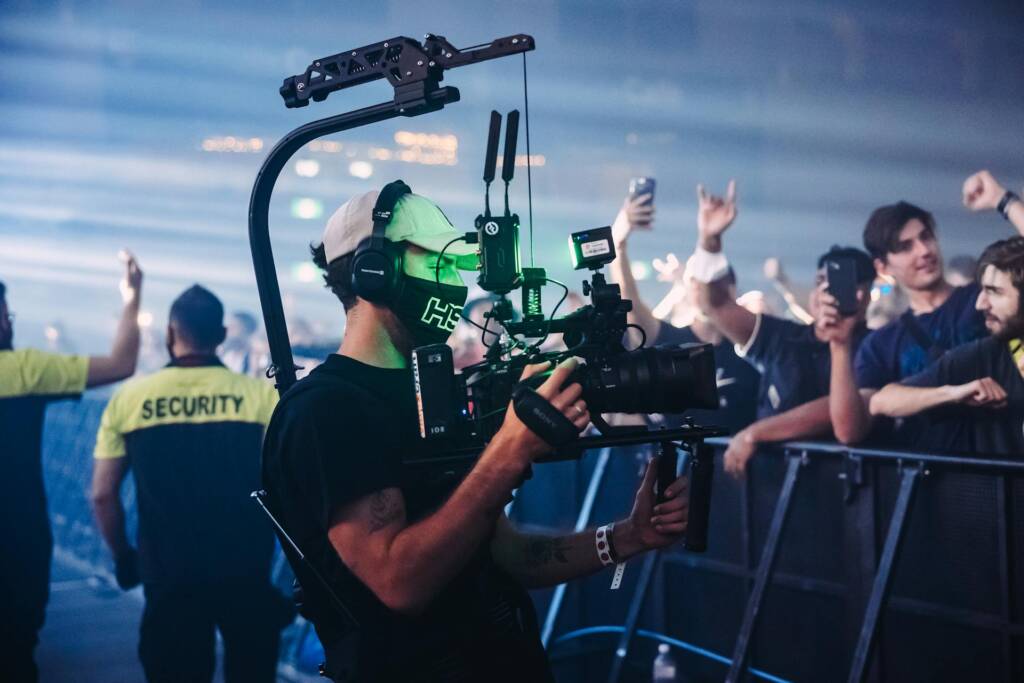
Professional photography and videography can capture important moments that can later be used across websites, social media, advertisements, press materials, and future campaigns.
Useful event content includes:
- Event photography
- Highlight videos
- Short-form social videos
- Speaker interviews
- Product demonstrations
- Behind-the-scenes footage
- Audience reactions
- After-movies
Cre8Trends offers event photography, videography, highlight films, after-movies, social media coverage, drone coverage, and same-day edits as part of its event services.
7. Use Paid Advertising to Expand Reach
Organic promotion can be useful, but paid advertising can help businesses reach specific audiences at scale.
Depending on the event and target audience, businesses can promote events through platforms such as search engines and social media advertising networks.
A successful paid campaign should have:
- A clearly defined audience
- A compelling message
- Strong visuals
- A simple registration process
- A clear call to action
- A measurable objective
For example, instead of simply saying “Join Our Event,” an advertisement could communicate what attendees will learn, experience, or gain by participating.
8. Work With Influencers and Partners
Influencer marketing can help introduce an event to an audience that already follows a particular person, creator, industry expert, or organization.
Businesses can collaborate with relevant partners to:
- Announce the event
- Create promotional videos
- Share invitations
- Host interviews
- Cover the event
- Encourage registrations
The key is relevance. A partnership should make sense for the event and its audience rather than being based only on follower numbers.
Cre8Trends includes influencer marketing within its event promotion services, alongside social media campaigns, paid advertising, content creation, event announcements, and post-event campaigns.
9. Create an Engaging On-Site Experience
Event marketing does not stop when attendees arrive.
The experience itself can become a marketing tool.
Consider creating opportunities for attendees to interact with your brand through:
- Branded photo areas
- Product demonstrations
- Interactive displays
- Social media moments
- Live entertainment
- Networking areas
- Branded stages
- Digital experiences
When people have a memorable experience, they may be more likely to talk about the event and share content online.
Cre8Trends provides event production services including stage design, LED screens, AV production, lighting, sound systems, technical crew management, and other event infrastructure.
10. Make Registration Easy
A complicated registration process can discourage potential attendees.
Your registration page should clearly communicate:
- Event name
- Date and time
- Location
- Main benefits
- Speakers or activities
- Registration requirements
- Contact information
- Registration button
Keep the process as simple as possible, particularly for users accessing the registration page from mobile devices.
11. Use Email Marketing
Email remains useful for communicating directly with people who have already shown interest in your event.
Businesses can send different messages throughout the event journey.
For example:
Initial Email: Introduce the event.
Reminder Email: Encourage registration.
Confirmation Email: Provide attendance details.
Pre-Event Email: Share useful information before the event.
Post-Event Email: Thank attendees and provide additional resources.
This communication can help keep the event visible to potential attendees without relying entirely on social media algorithms.
12. Continue Marketing After the Event
One of the most overlooked Event Marketing Strategies is post-event marketing.
The event may be finished, but the content and relationships created during it can continue providing value.
After the event, consider publishing:
- Event photographs
- Highlight videos
- Key moments
- Speaker quotes
- Customer testimonials
- Event statistics
- Media coverage
- Behind-the-scenes content
- Thank-you messages
Post-event content can also help promote future events.
For example, a short highlight video from this year’s conference can become promotional material for next year’s event.
13. Measure Your Results
Effective event marketing should be measurable.
Depending on your goals, useful metrics may include:
- Registration numbers
- Attendance rate
- Website traffic
- Social media reach
- Engagement
- Video views
- Leads generated
- Event-related inquiries
- Advertising performance
- Post-event engagement
Reviewing these results can help you understand what worked and where future campaigns can be improved.
How Cre8Trends Can Support Event Marketing
Planning and promoting an event often requires multiple skills, including strategy, creative design, digital marketing, production, photography, videography, and on-site coordination.
Cre8Trends brings these areas together through its event management and creative services.
The company describes itself as a full-service creative agency combining marketing, media production, technology, and event management. Its event offering includes corporate events, brand activations, exhibitions and trade shows, entertainment, stage production, event branding, guest management, photography, videography, and event marketing.
Its event marketing services specifically include social media campaigns, event promotions, paid advertising, content creation, influencer marketing, event announcements, and post-event campaigns.
This integrated approach can help businesses maintain consistency between their event concept, visual identity, promotional campaign, and on-site experience.
Build a Complete Event Marketing Plan
Successful events rarely depend on a single promotional channel.
Instead, businesses can create a connected strategy that brings different marketing activities together.
A simple event marketing timeline could look like this:
8–12 Weeks Before: Define goals, audience, branding, and promotional strategy.
6–8 Weeks Before: Launch the event announcement and registration campaign.
4–6 Weeks Before: Publish promotional content, introduce speakers or activities, and begin paid promotion.
2–3 Weeks Before: Increase social media activity and email communication.
Event Week: Share reminders, behind-the-scenes content, and real-time updates.
Event Day: Capture professional photographs, videos, interviews, and social content.
After the Event: Publish highlights, thank attendees, share content, and analyze results.
This creates a continuous marketing journey instead of treating event promotion as a short-term campaign.
Final Thoughts
Modern businesses have more opportunities than ever to turn events into powerful brand experiences. But successful event marketing requires more than simply announcing an event.
The most effective Event Marketing Strategies combine audience research, strong branding, social media promotion, paid advertising, influencer partnerships, professional content, engaging experiences, and post-event communication.
When these elements work together, businesses can create an event experience that continues to generate attention even after the event has ended.
For businesses looking for support with event planning, event promotion, branding, production, and content creation, Cre8Trends offers an integrated range of event and marketing services. From corporate events and brand activations to exhibitions, event branding, digital promotion, photography, and videography, its services are designed to connect brands with audiences through memorable experiences.
The key is to think of an event not as a single date on the calendar, but as a complete marketing journey—from the first announcement to the final post-event campaign.
Frequently Asked Questions
What are Event Marketing Strategies?
Event Marketing Strategies are planned methods businesses use to promote an event, attract attendees, increase engagement, and extend the event’s impact.
Why is event marketing important?
Event marketing helps businesses build awareness, attract relevant audiences, generate engagement, and support broader marketing goals.
How can social media promote an event?
Businesses can use social media for announcements, countdowns, speaker introductions, behind-the-scenes content, live coverage, and post-event highlights.
What should businesses do after an event?
Businesses can share photos, videos, highlights, testimonials, and key takeaways while following up with attendees and analyzing campaign results.
Can Cre8Trends help with event marketing?
Yes. Cre8Trends provides event marketing, event branding, social media campaigns, paid advertising, content creation, influencer marketing, photography, and videography services.