Social media has become an essential part of how businesses communicate with customers, build brand awareness, and generate new opportunities online. However, simply posting regularly is not enough. Businesses need a clear plan that determines what to post, when to post it, who the content is for, and what the business wants to achieve.
A well-planned Social Media Content Strategy helps businesses create consistent, valuable, and engaging content while making better use of their time and marketing resources. It also provides a framework for measuring results and improving content over time.
Whether you are a small business, growing company, or established brand, having a structured social media strategy can help you build a stronger and more recognizable online presence.
What Is a Social Media Content Strategy?
A Social Media Content Strategy is a planned approach to creating, publishing, and managing content across social media platforms.
It typically includes:
- Defining marketing goals
- Identifying the target audience
- Choosing relevant social media platforms
- Planning content topics
- Creating different types of content
- Establishing a posting schedule
- Engaging with followers
- Tracking performance
- Improving content based on results
Instead of creating posts randomly, a strategy gives businesses a clear direction and helps ensure that every piece of content has a purpose.
Why Is a Social Media Content Strategy Important?
Without a strategy, businesses may post inconsistently or create content that does not connect with their target audience.
A structured approach can help businesses:
- Build brand awareness
- Increase audience engagement
- Establish brand authority
- Generate website traffic
- Support lead generation
- Strengthen customer relationships
- Maintain consistent branding
- Understand what content performs best
A strategy also makes it easier for marketing teams to stay organized and maintain a consistent publishing schedule.
Step 1: Define Your Social Media Goals
The first step in developing a Social Media Content Strategy is deciding what you want to achieve.
Different businesses may have different objectives. For example, your goal might be to:
- Increase brand awareness
- Generate leads
- Drive website traffic
- Promote products or services
- Increase engagement
- Build an online community
- Improve customer support
- Increase sales
Your goals should be specific enough that you can measure progress.
For example, instead of saying “increase engagement,” a business could aim to increase average post engagement over a specific period.
Step 2: Understand Your Target Audience
Effective content starts with understanding the people you want to reach.
Consider factors such as:
- Age
- Location
- Industry
- Interests
- Online behavior
- Common challenges
- Purchasing habits
- Questions they frequently ask
Understanding your audience helps you create content that addresses their actual needs rather than simply promoting your business.
For example, a B2B software company may focus on educational content, industry insights, and case studies, while a fashion brand may focus more heavily on visual product content and trends.
Step 3: Choose the Right Social Media Platforms
Businesses do not necessarily need to be active on every social media platform.
Instead, focus on the platforms where your target audience is most likely to spend time.
Facebook can be useful for businesses that want to build communities, share different content formats, and reach a broad audience.
Instagram is particularly useful for visual content, including images, Reels, Stories, and product-focused content.
LinkedIn is valuable for B2B businesses, professional services, recruitment, industry thought leadership, and professional networking.
TikTok
TikTok can help brands reach audiences through short-form, creative, and entertaining content.
YouTube
YouTube is useful for long-form educational videos, tutorials, product demonstrations, reviews, and other video content.
The best platform depends on your audience, industry, content format, and marketing goals.
Step 4: Create Content Pillars
Content pillars are the main topics your business consistently discusses on social media.
Having several content pillars makes it easier to plan content and avoid posting the same type of material repeatedly.
For example, a digital marketing agency could use content pillars such as:
- Educational Content – SEO, social media, and digital marketing tips
- Industry Insights – Trends, statistics, and market developments
- Company Content – Team updates, projects, and company news
- Client Success – Case studies and results
- Promotional Content – Services, offers, and consultations
These pillars provide a framework for creating a balanced content calendar.
Step 5: Use Different Types of Social Media Content
A strong Social Media Content Strategy should include a variety of content formats.
Educational Content
Educational posts can answer questions and teach audiences something useful.
Examples include:
- How-to guides
- Tips
- Tutorials
- Checklists
- Industry explanations
Entertaining Content
Entertainment can help brands attract attention and encourage engagement.
Memes, short videos, trends, and creative posts can be useful when they fit the brand.
Promotional Content
Promotional posts can introduce products, services, discounts, events, or special offers.
However, businesses should avoid making every post a sales pitch.
User-Generated Content
Content created by customers can provide social proof and help demonstrate how people interact with a product or service.
Behind-the-Scenes Content
Showing employees, processes, office activities, or production can make a brand feel more authentic and approachable.
Video Content
Short-form and long-form videos can be used for education, entertainment, product demonstrations, testimonials, and storytelling.
Step 6: Create a Social Media Content Calendar
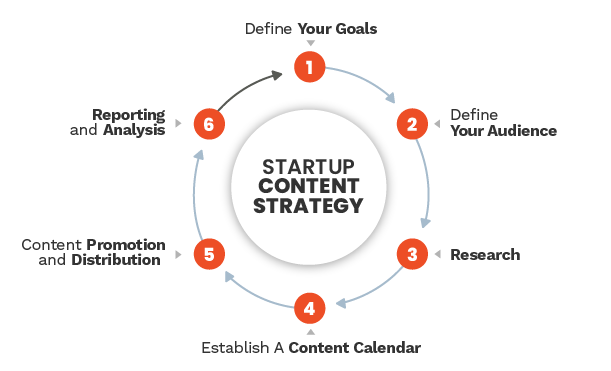
A content calendar helps businesses organize what they will publish and when.
A basic calendar can include:
| Date | Platform | Content Type | Topic | Goal |
|---|---|---|---|---|
| Monday | Reel | Marketing Tip | Engagement | |
| Tuesday | Educational Post | Industry Insight | Awareness | |
| Wednesday | Image Post | Company Update | Engagement | |
| Thursday | Carousel | How-To Guide | Education | |
| Friday | Case Study | Client Success | Trust |
A content calendar can be planned weekly or monthly depending on the size of the business and marketing team.
Step 7: Maintain Consistent Branding
Consistency is important for building brand recognition.
Your social media content should maintain a recognizable:
- Logo
- Color palette
- Typography
- Visual style
- Tone of voice
- Messaging
When audiences repeatedly see consistent branding, they may find it easier to recognize your business across different platforms.
Step 8: Write Captions That Encourage Engagement
Good visuals can attract attention, but captions can provide context and encourage people to interact.
An effective caption should be clear, relevant, and easy to understand.
Depending on the content, you can end posts with a question or call to action such as:
- “What do you think?”
- “Which strategy works best for your business?”
- “Save this post for later.”
- “Visit our website to learn more.”
- “Contact us to discuss your marketing goals.”
The CTA should match the purpose of the post.
Step 9: Post Consistently
Consistency is more important than simply posting a large amount of content.
A business should establish a publishing schedule that it can realistically maintain.
For example, a company might publish three to five social media posts each week rather than attempting to post multiple times every day and eventually becoming inconsistent.
The ideal frequency can vary depending on the platform, audience, industry, and available resources.
Step 10: Engage With Your Audience
Social media is not only about publishing content. It is also about communication.
Businesses should monitor comments and messages and respond where appropriate.
Engaging with followers can help businesses:
- Build relationships
- Answer customer questions
- Identify customer concerns
- Encourage conversations
- Strengthen community engagement
Social listening can also provide useful insights into how people perceive a brand and what topics interest them.
Step 11: Analyze Your Social Media Performance
A Social Media Content Strategy should be based on data as well as creativity.
Important metrics may include:
- Reach
- Impressions
- Engagement rate
- Likes
- Comments
- Shares
- Saves
- Video views
- Website clicks
- Leads
- Conversions
The most important metrics depend on your goals.
For example, a brand awareness campaign may focus on reach and impressions, while a lead generation campaign may focus more heavily on clicks and leads.
Step 12: Improve Your Strategy Over Time
Social media trends and audience behavior constantly change.
Review your performance regularly and identify:
- Which posts received the most engagement?
- Which topics generated the most interest?
- Which platforms produced the best results?
- Which content formats performed well?
- Which posts generated website traffic or leads?
Use these insights to improve future content.
A successful strategy should not remain exactly the same forever. It should evolve based on performance and changing audience needs.
Common Social Media Content Strategy Mistakes
Posting Without a Clear Goal
If every post has a different purpose and there is no overall strategy, it can become difficult to build a consistent brand message.
Focusing Only on Sales
Constantly promoting products or services can make content feel repetitive. Businesses should balance promotional posts with educational, entertaining, and useful content.
Ignoring Audience Feedback
Comments, messages, and engagement can provide valuable information about what your audience wants. Ignoring this feedback can result in less relevant content.
Using Every Platform
Being active everywhere is not always necessary. Businesses should prioritize platforms that align with their audience and objectives.
Not Measuring Results
Without tracking performance, it becomes difficult to understand whether your content strategy is producing meaningful results.

How Cre8trends Can Help With Your Social Media Strategy
Creating an effective social media presence requires strategic planning, creative content, consistent branding, and ongoing performance analysis.
Cre8trends helps businesses develop digital marketing strategies designed to connect brands with their target audiences. A strategic approach to social media can help businesses create meaningful content, strengthen brand awareness, and support broader digital marketing goals.
From content planning and social media marketing to digital advertising and brand-focused campaigns, businesses can benefit from having a coordinated strategy rather than treating each social media post as an isolated activity.
Frequently Asked Questions
What is the most important part of a social media content strategy?
Understanding your target audience and defining clear marketing goals are two of the most important foundations. They help determine what content you should create and where you should publish it.
How often should businesses post on social media?
There is no single posting frequency that works for every business. The right schedule depends on the platform, audience, content resources, and marketing objectives. Consistency is generally more important than posting excessively.
What should businesses post on social media?
Businesses can publish educational, entertaining, promotional, informational, user-generated, behind-the-scenes, and video content. The content should be relevant to the target audience and aligned with business goals.
How can I measure social media content performance?
Businesses can monitor metrics such as reach, impressions, engagement, clicks, video views, leads, and conversions. The appropriate metrics depend on the objectives of the campaign.
Can a small business create a social media content strategy?
Yes. Small businesses can create effective strategies by focusing on a few relevant platforms, defining clear content pillars, maintaining a manageable posting schedule, and regularly reviewing performance.
Final Thoughts
An effective Social Media Content Strategy gives businesses a structured way to communicate with their audience and build a stronger online presence. Instead of posting content randomly, businesses can use clear goals, audience research, content pillars, calendars, consistent branding, and performance data to guide their social media efforts.
The key is to focus on creating content that provides genuine value while supporting broader business objectives. With consistent planning, audience engagement, and continuous optimization, social media can become an important part of a business’s overall digital marketing strategy.
For businesses looking to improve their social media presence, Cre8trends can help develop a strategic approach that combines content, creativity, and digital marketing.